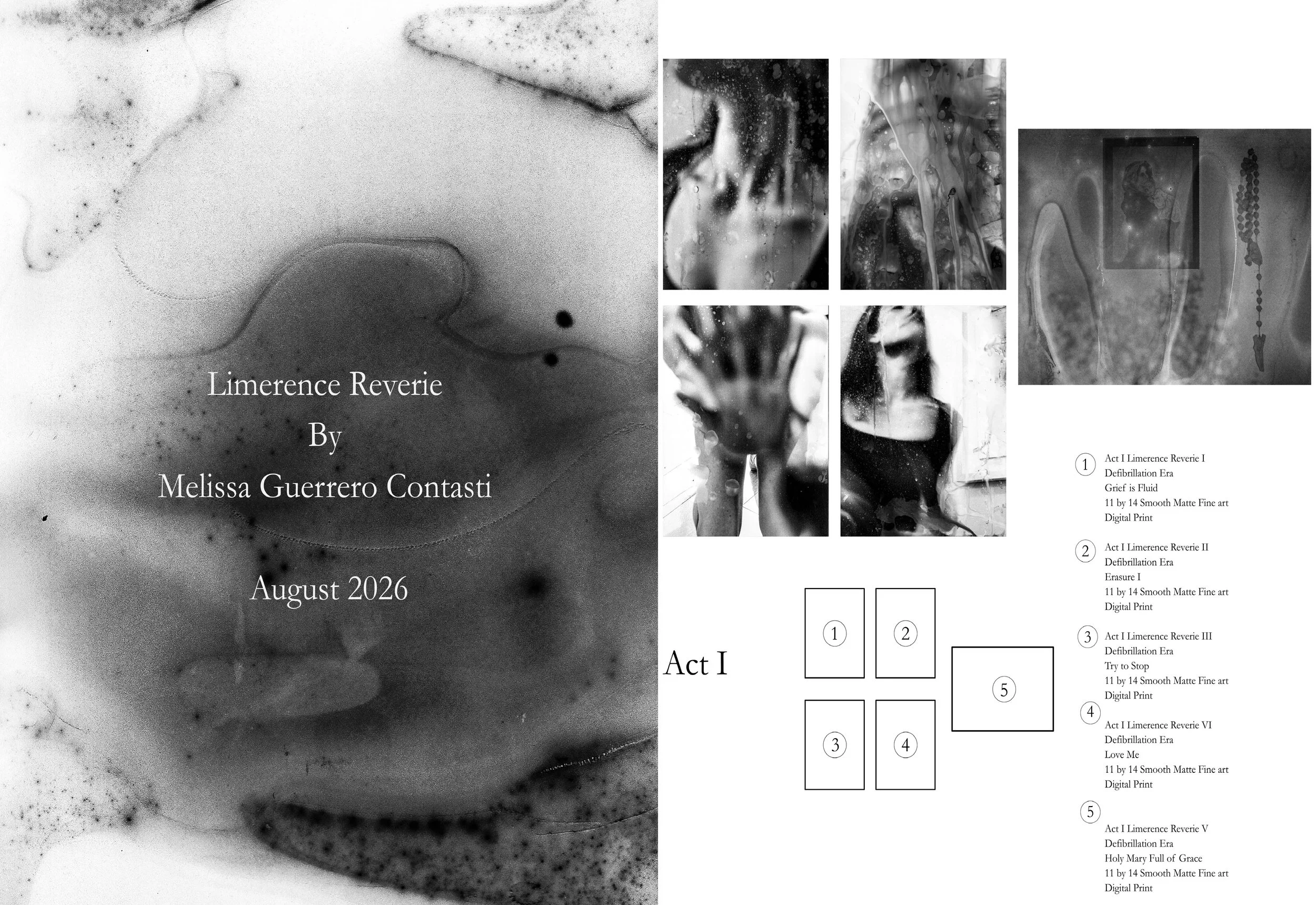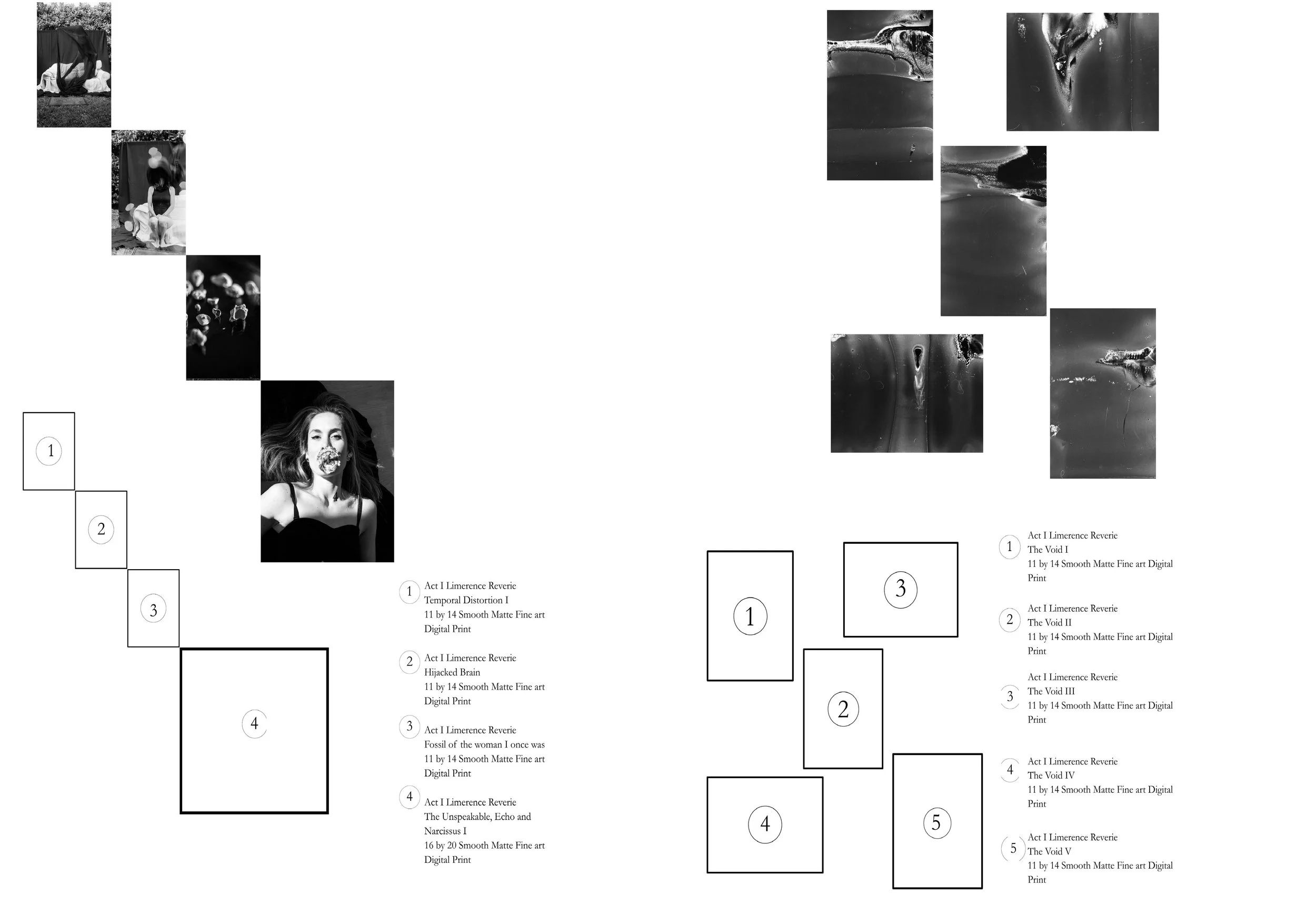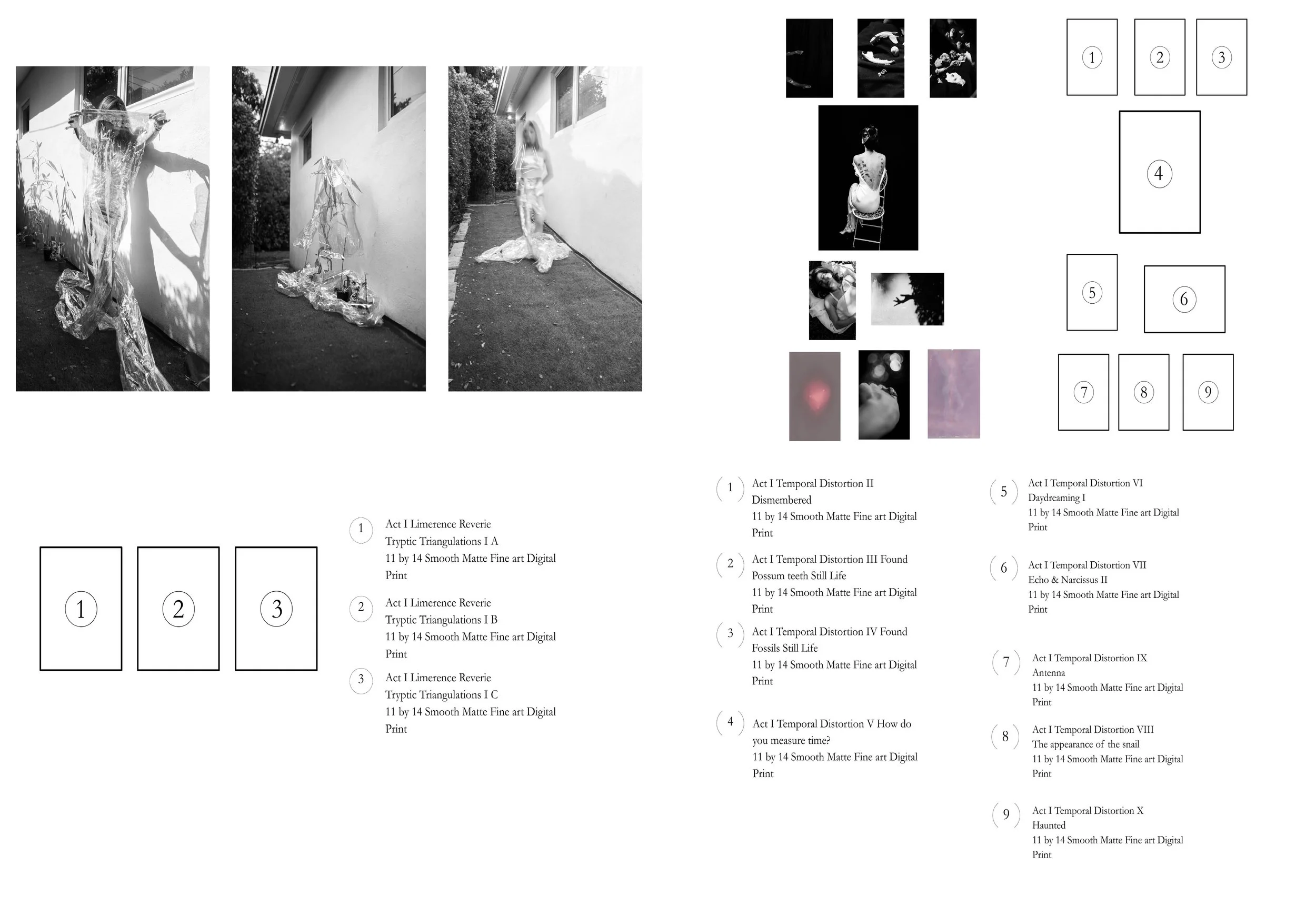
Limerence Reverie
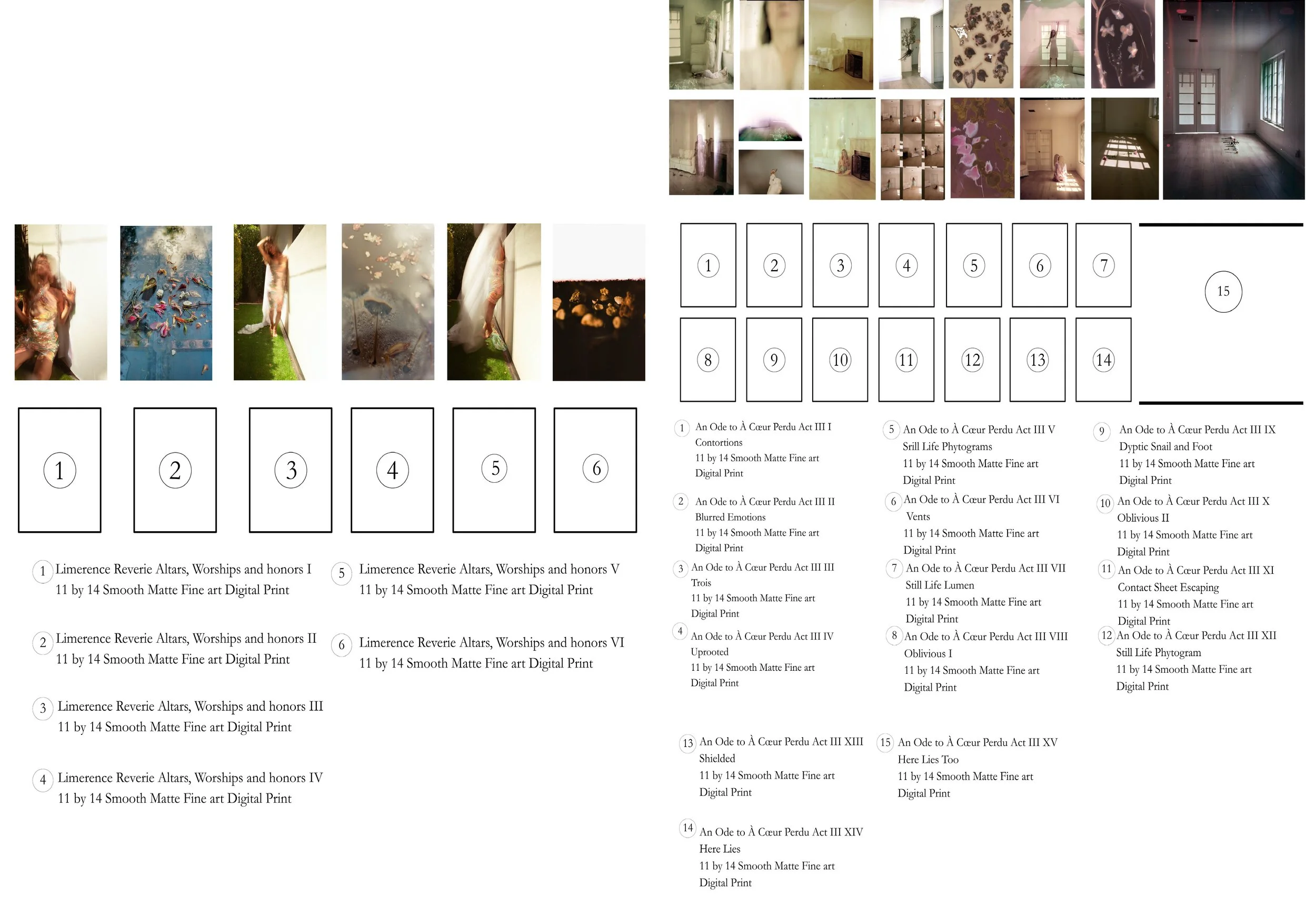
Limerence Reverie examines a state of emotional and psychological fixation where perception becomes distorted. Limerence is characterized by obsessive thought patterns, idealization, and an inability to disengage. Within this state, reality is reshaped into a narrative driven by longing and projection.
This condition overlaps with grief, as both involve attachment, loss, and the inability to reconcile internal experience with external reality. The mind constructs scenarios, replays moments, and sustains an illusion that resists interruption.
The reverie becomes immersive almost hallucinatory blurring the boundaries between what is real and what is imagined. Time is absorbed into this loop, extending the experience indefinitely.
There is an awareness that the state is unsustainable, yet it persists beyond conscious control. The subject is both participant and observer, caught within a cycle that cannot be resolved through logic alone.
This work visualizes that tension: the pull between illusion and recognition, desire and absence. It frames limerence as both a symptom and an extension of grief—a space where emotional intensity overrides clarity.
Support System
Support System explores the relational structures that make survival through grief possible. Transformation does not occur in isolation; it is shaped by those who remain present family, community, and chosen connections.
In this work, grief gives way to metamorphosis. The self emerges altered neither what it once was nor fully defined. This new state may feel unfamiliar, even otherworldly, like a hybrid being shaped by experience.
Support systems act as anchors within this instability. They provide continuity, care, and meaning when internal structures collapse. They do not eliminate grief but make it bearable, offering moments of grounding and connection.
The work reflects on interdependence: the mutual exchange of support, where care is both given and received. It acknowledges that healing is not linear, nor is it solitary.
Moving beyond states of rumination and fixation requires not only internal shifts but external presence. This transition is marked by the gradual release of guilt associated with feeling joy again.
Ultimately, the work affirms that while grief is ongoing, connection enables continuation. It is through others that one finds the capacity to remain.